
When Can a Korean Facial Serum Replace Your Moisturizer?
Discover the situations where you can swap in a Korean serum for targeted hydration, lightweight textures, and anti-aging benefits backed by science.
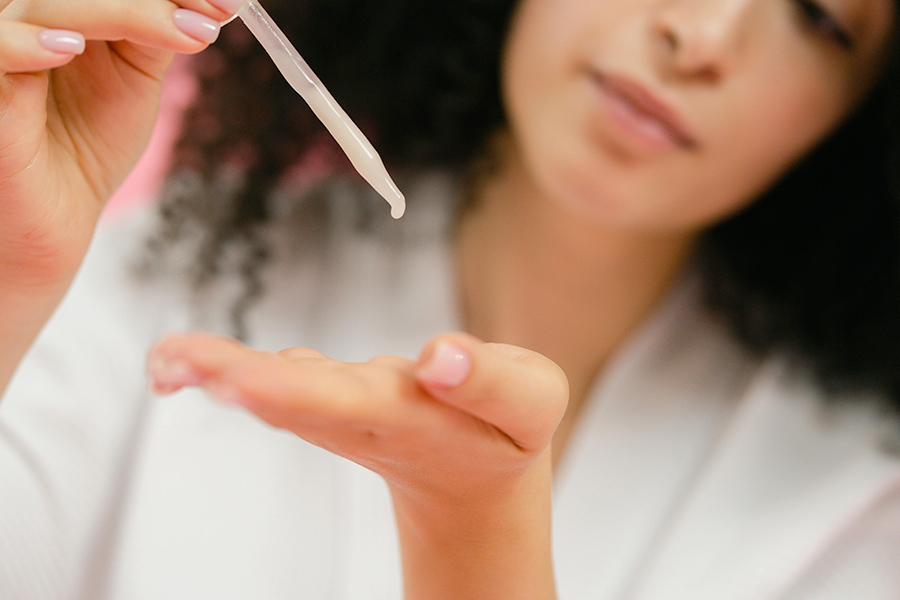
Serums Instead of Moisturizers?
K-beauty has become a global benchmark thanks to concentrated formulations, feather-light textures, and advanced technologies. But is it really possible to use a serum in place of your daily moisturizer? In this deep dive, we explore when, why, and how to make the switch—supported by scientific evidence.
Key Differences Between Serum and Cream
- Specific and Mixable
Each serum is designed for a focused purpose (hydrating, antioxidant, sebum-regulating) and, thanks to its gel or fluid base, can be blended with other actives to create a tailored cocktail. - Active Concentration
Functional ingredients (vitamin C, peptides, botanical extracts) are delivered at higher doses to amplify results. - Texture and Lightness
Ultra-fast absorption that never feels heavy, even on combination skin or during summer months. - Cosmetic Function
A serum acts as a booster and, in certain conditions, can replace your day cream. A moisturizer, in contrast, provides an emollient, occlusive layer that locks in hydration and reinforces the skin barrier.
When to Replace Your Cream with a Serum
| Circumstance | Recommended Swap? |
| Hot weather or summer | Yes: a lightweight hydrating serum in the morning |
| Combination or oily skin | Yes: a sebum-regulating serum (niacinamide, BHA) |
| Minimalist routine or travel | Yes: fewer steps (essence + serum + SPF) |
| Dry, dehydrated, or sensitive skin | No: stick with moisturizer for complete hydration |
Science says
- Low-Molecular-Weight Hyaluronic Acid Efficacy
“Topical application of all 0.1 % HA formulations significantly improved skin hydration and elasticity, with low MW HA significantly reducing wrinkle depth.” - Liposomal Delivery of Actives
“Liposomal encapsulation of ascorbyl palmitate improved dermal penetration, increasing total active delivered to the stratum corneum by 1.3-fold in emulgel and 1.2-fold in cream.”
READ MORE: How to Control Oiliness in Summer
Key Ingredients in K-Beauty Serums
Hyaluronic Acid – deep hydration and plumping; ideal for all skin types.
SHOP NOW: Best Hyaluronic Acid Serums
Niacinamide – sebum control, pore-minimizing, soothing; perfect for combination and blemish-prone skin.
SHOP NOW: Best Niacinamide Serums
Snail Mucin – regenerates and boosts elasticity; recommended for marked or scarred skin.
SHOP NOW: Best Snail Mucin Serums
Peptides – stimulate collagen and elastin; great for anti-aging routines.
SHOP NOW: Best Peptide Serums
Centella Asiatica – powerful soothing and healing; ideal for reactive skin.
SHOP NOW: Best Centella Asiatica Serums
READ MORE: How to combine serums for better skin
Best Application Practices
- Cleanse and leave skin slightly damp.
- 2–3 drops per area; more isn’t always better.
- Mix & match: blend 1–2 actives as needed.
- Morning: serum → SPF ≥ 30.
- Evening (if needed): targeted serum → night cream for extra nourishment.
Shop the Story
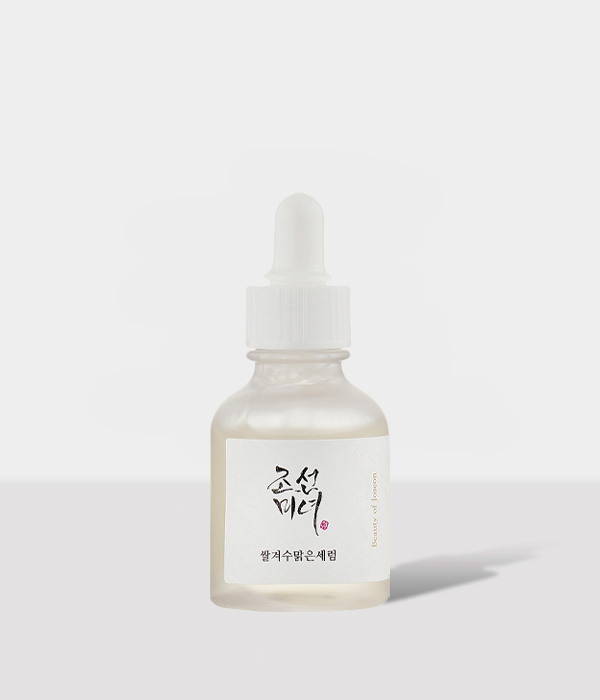

BEAUTY OF JOSEON – Glow Deep Serum: Rice +Alpha Arbutin 30ml
Original price was: 19,00€.14,40€Current price is: 14,40€.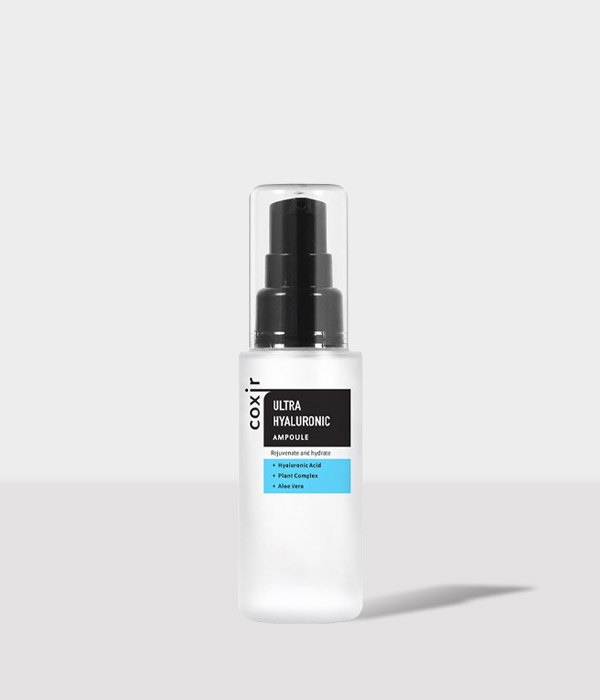
COXIR – Ultra Hyaluronic Ampoule 50ml
Original price was: 18,99€.16,90€Current price is: 16,90€.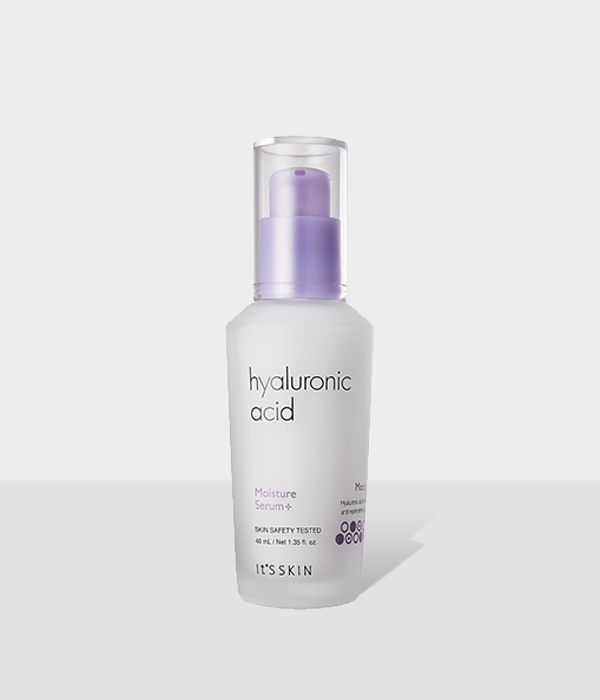

COXIR – Vita C Bright Serum 50ml
Original price was: 18,99€.14,24€Current price is: 14,24€.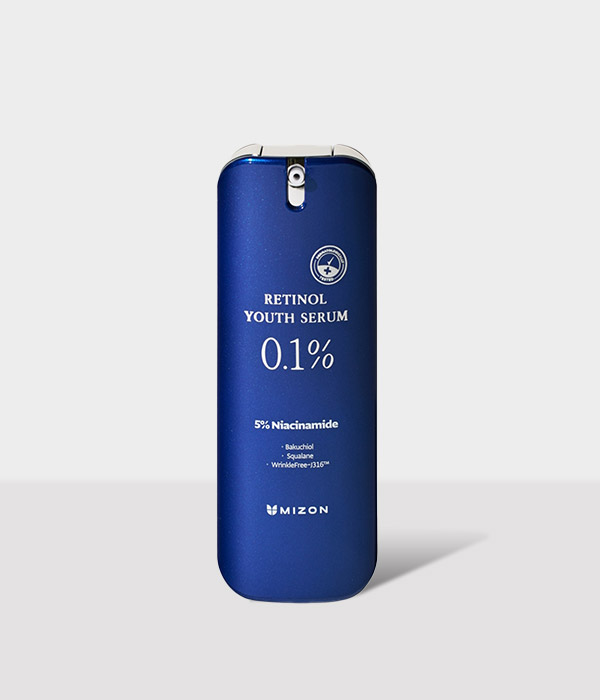

MIZON – 0.1% Retinol Youth Serum 28g
Original price was: 39,50€.31,60€Current price is: 31,60€.
ANUA – Peach 70 Niacin Serum 30ml
Original price was: 26,50€.23,85€Current price is: 23,85€.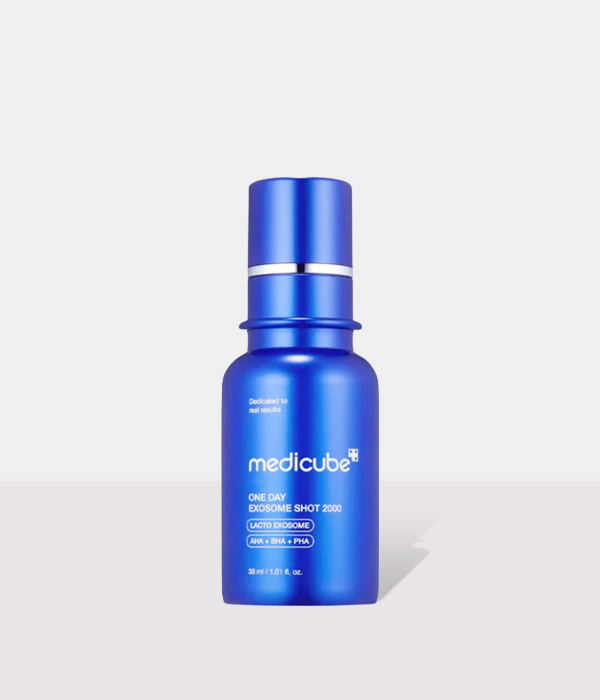
MEDICUBE – One Day Exosome Shot Pore Ampuole 2000 30ml
Original price was: 28,90€.23,12€Current price is: 23,12€.
Conclusion
Always remember:
“Effective skincare combines scientific research with attentive listening to your skin’s unique needs.”
A Korean facial serum—thanks to its lightness, specificity, and mixability—can replace your moisturizer in hot climates, oily skin types, or minimalist routines. However, if your skin is dry or sensitive, pairing it with a nourishing cream remains essential.

ACCUMULA PUNTI. OTTIENI I COSMETICI. RICOMINCIA.
Miloonity è il programma di fedeltà che ricompensa ogni tuo acquisto e condivisione con dei punti da impiegare per ottenere i tuoi cosmetici preferiti. E in più… tantissimi vantaggi.